Systems Built for Equipment and Traffic
Commercial Flooring Systems in North Branch for warehouses and manufacturing spaces with heavy equipment exposure
Warehouses, manufacturing facilities, and distribution centers require flooring that withstands forklift traffic, thermal shock from equipment, chemical spills, and the freeze-thaw cycling that affects Minnesota buildings year-round. Wild Coatings LLC. designs and installs complete flooring systems across a five-state radius, traveling to project sites that require durable, long-term solutions rather than residential-grade coatings that fail under industrial conditions. Each system begins with substrate preparation through grinding, followed by moisture mitigation if vapor testing indicates transmission rates that exceed coating tolerances, and concludes with epoxy or polyurea application selected for the specific traffic and exposure your facility experiences.
The full-system approach accounts for substrate condition, moisture levels, chemical exposure, temperature fluctuations, and the type of wheeled traffic or point loads the floor must support. Project-specific material selection determines whether standard epoxy, high-build epoxy, or polyurea topcoats provide the necessary impact resistance and flexibility for your operation.
Schedule a facility assessment to evaluate current floor conditions and discuss system options that match your operational requirements.
What Separates Commercial Systems from Residential Coatings
Commercial-grade formulations use higher solids content, thicker mil builds, and chemical-resistant resins that residential epoxy kits do not provide, which allows them to handle repeated impacts, abrasion from metal wheels, and exposure to oils or solvents without delaminating or wearing through. Wild Coatings LLC. applies these systems in layers, with each layer serving a specific function: moisture barriers prevent vapor transmission, primer coats enhance adhesion, base coats build thickness, and topcoats provide the final wear surface and chemical resistance.
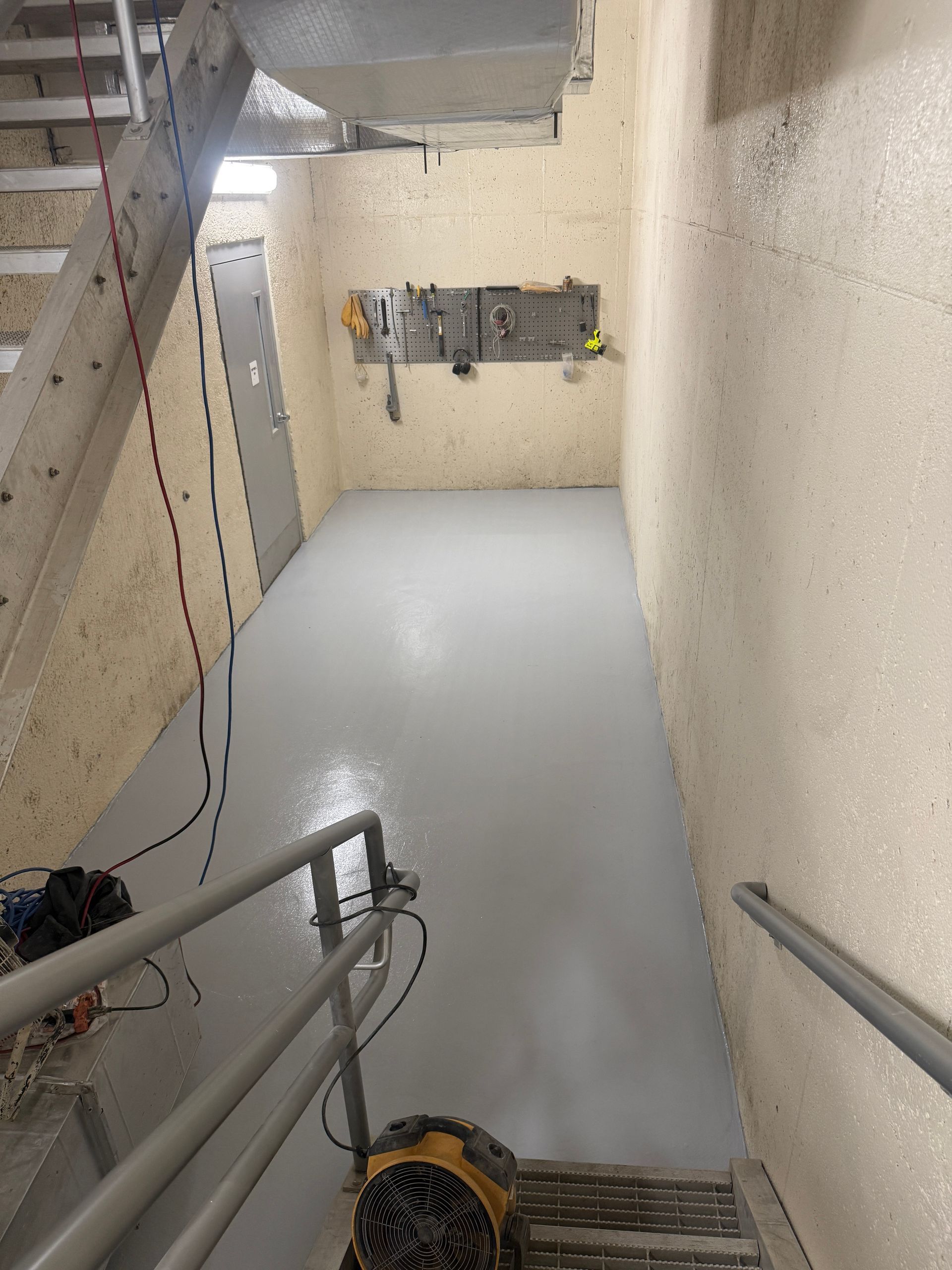
After installation, the floor handles heavy equipment without cracking, resists staining from hydraulic fluid or coolant spills, and maintains a uniform appearance across high-traffic zones where residential coatings would show wear patterns within months. The system also eliminates concrete dust generation, which improves air quality and reduces maintenance labor in facilities where cleanliness affects product quality or equipment performance.
Installation timelines depend on substrate preparation requirements, cure times between coats, and ambient temperature during application. Facilities remain operational during prep work in most cases, but coating application requires restricted access to allow proper curing without contamination or surface damage from premature traffic.
Questions Facility Operators Ask
Commercial flooring projects involve coordination between contractors, facility managers, and operations teams, and the following questions address common concerns about system performance and installation logistics.
What determines which flooring system is appropriate for a specific facility?
Traffic type, load weights, chemical exposure, temperature ranges, and moisture conditions all influence material selection, and systems are specified after evaluating these factors during the site assessment rather than applying a single product to every project.
How do commercial flooring systems perform in unheated warehouses during Minnesota winters?
Polyurea topcoats maintain flexibility at subzero temperatures and resist cracking from thermal shock, while epoxy base coats provide structural thickness and impact resistance, which together create a system that handles the seasonal temperature swings common in Saint Cloud, Duluth, and unheated facilities across the region.
When should a facility replace flooring rather than recoat existing systems?
Replacement is necessary when the substrate has structural cracks, when moisture damage has compromised the slab, or when previous coatings have delaminated across more than 30 percent of the floor area, as partial repairs in these cases do not provide the performance or longevity that a full system installation delivers.
What preparation is required before installing a commercial flooring system?
Surfaces must be ground to remove contaminants and create the correct profile, moisture levels must be tested and mitigated if necessary, and any cracks or joints must be filled or routed to prevent reflective cracking through the new coating system.
How far does Wild Coatings travel for commercial flooring projects?
Wild Coatings LLC. serves a five-state radius extending 500 miles from North Branch, which includes facilities across Minnesota, Wisconsin, and neighboring states where large-scale projects justify travel to sites outside the immediate North Metro area.
Wild Coatings LLC. provides turnkey flooring system installation for commercial and industrial clients who require materials and application methods that exceed residential standards. Contact the team to discuss your facility's specific conditions and receive a detailed system proposal based on your operational needs.